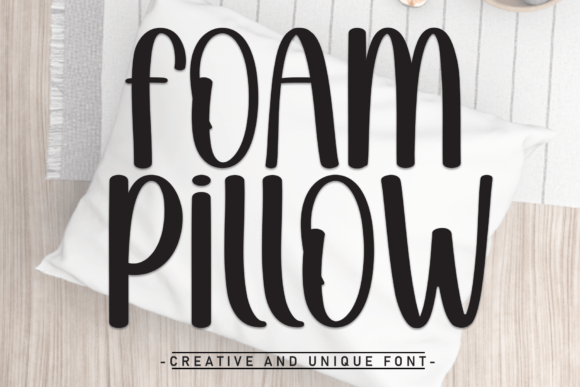
Foampillow: A Sweet Handwritten Font for Boutique Branding
Running a small business means wearing every hat. You are the CEO, the marketer, the customer service rep, and often the designer too. When you are juggling product creation, shipping orders, and managing social media, your brand’s visual identity needs to work hard without adding stress to your plate. This is where choosing the right Script Amp typeface becomes a strategic decision rather than just an aesthetic one.
For businesses that want to project warmth, approachability, and a personal touch, Foampillow stands out as a practical and charming choice. Described as a sweet and friendly handwritten font, it brings a fresh, cute energy to any design project. Whether you are designing wedding invitations, crafting product labels, or creating social media graphics, Foampillow offers a fun touch that helps your brand feel human and relatable. In this guide, we will explore how this creative font can elevate your brand identity across real-world business touchpoints.
The Personality of Foampillow in Business Design
Not all fonts convey the same message. A rigid sans serif might scream corporate efficiency, while a heavy blackletter might suggest heritage and tradition. Foampillow, however, speaks the language of friendliness. Its handwritten style mimics the natural flow of pen on paper, which instantly creates a sense of intimacy with your audience. For entrepreneurs selling handmade goods, organic skincare, or cozy home decor, this personality aligns perfectly with the values of authenticity and care.
When potential customers see a logo or packaging designed with Foampillow, they subconsciously associate the brand with quality craftsmanship and attention to detail. It does not look like it was generated by a machine; it looks like it was written by someone who cares about their craft. This emotional connection is vital for building trust. A consistent use of such a distinctive handwritten font helps your business stand out in a crowded marketplace, making your materials memorable from the first glance.
Practical Applications Across Your Brand Touchpoints
One of the biggest challenges for small business owners is maintaining consistency across different platforms. Foampillow can serve as a unifying element in your design assets, ensuring that your brand looks cohesive whether a customer sees it on Instagram or on a physical box at their doorstep. Here is how this versatile typeface can be applied effectively:
- Packaging Design and Product Labels: For boutique owners and online sellers, packaging is the first physical interaction a customer has with your brand. Using Foampillow for the product name or a short tagline on stickers and tags adds a premium, personalized feel. It transforms a simple package into a gift-like experience, encouraging customers to share their unboxing moments on social media.
- Social Media Graphics: In the fast-scrolling world of Instagram and Pinterest, text overlays need to grab attention quickly. Foampillow works beautifully as a display font for quotes, announcements, or sale alerts. Its playful curves draw the eye, making your posts more engaging than standard text-heavy designs. Pair it with soft pastel backgrounds to enhance its sweet aesthetic.
- Website Visuals and Banners: On your website, typography sets the tone for user experience. While body text should remain highly readable, using Foampillow for headers, navigation buttons, or welcome banners can make your site feel inviting. It signals to visitors that your business is approachable and customer-focused.
- Marketing Materials and Flyers: Whether you are printing flyers for local markets or digital ads for Facebook, Foampillow adds a professional yet creative flair. It helps your promotional messages stand out without appearing cluttered. Use it for key phrases like "New Arrival" or "Limited Edition" to create urgency with style.
- Thank-You Cards and Inserts: Customer retention is just as important as acquisition. Including a thank-you card in your shipments with a message written in Foampillow reinforces the personal connection. It shows appreciation in a way that feels genuine and heartfelt, increasing the likelihood of repeat purchases.
Strategic Font Pairing for Professional Results
While Foampillow is delightful on its own, using it exclusively for all text can hinder readability, especially on smaller screens or tiny product labels. To maintain a professional appearance, it is essential to pair decorative fonts with cleaner, more functional typefaces. This practice, known as font pairing, balances visual interest with clarity.
A classic and effective strategy is to pair a script or handwritten font with a clean sans serif font. The sans serif provides structure and legibility for longer texts, such as descriptions, pricing, or contact information, while Foampillow handles the headlines and logos. For example, if you are designing a menu for a café, use Foampillow for the section headers (like "Breakfast" or "Drinks") and a simple sans serif for the item names and prices. This hierarchy guides the reader’s eye naturally through the content.
Alternatively, pairing an expressive typeface like Foampillow with a readable serif font can add a touch of elegance and sophistication. This combination works well for brands that want to blend whimsy with classic charm, such as a bridal shop or a high-end candle maker. The serif anchors the design, preventing the handwritten elements from feeling too casual or unpolished.
Readability Considerations for Small Businesses
As a business owner, you must consider where your fonts will live. Foampillow shines as a headline or accent font, but it may struggle with long paragraphs or very small sizes. When designing product labels, ensure there is enough contrast between the text and the background. Test your designs at actual size before finalizing them. If the letters become blurry or merge together on a mobile screen, switch to a larger size or a simpler supporting typeface for detailed information. Readability is key to converting browsers into buyers; if customers cannot read your price or ingredients, they will move on.
Building Trust Through Consistent Typography
Consistency is the backbone of a trustworthy brand. When your logo, social media posts, email newsletters, and packaging all use the same core typefaces, you create a recognizable visual signature. Foampillow, with its distinct personality, can be that signature. By integrating it thoughtfully into your modern typography strategy, you signal to your market that you pay attention to detail. This attention to detail translates to perceived product quality. Customers assume that if you care about the look of your font, you care about the quality of your product.
Furthermore, a well-chosen font helps you attract your ideal customer. If your target audience consists of young parents, artists, or eco-conscious consumers, the friendly and organic vibe of Foampillow resonates with their values. It acts as a filter, attracting people who appreciate creativity and warmth while potentially deterring those seeking a sterile, corporate experience. This alignment ensures that your marketing efforts reach the right people.
Testing and Licensing: Essential Next Steps
Before fully committing to Foampillow for your entire brand, take the time to test it. Create mockups of your most critical materials—a business card, an Instagram post, and a product label. View these mockups on different devices and print them out to check how they hold up in physical form. Does the font still look sweet and friendly when printed on textured paper? Is it legible on a smartphone screen? These practical tests will reveal any potential issues early on.
Finally, always respect intellectual property rights. As a commercial font, Foampillow requires appropriate licensing for business use. Ensure you purchase the correct license for your specific needs, whether you are using it for physical products, digital downloads, client work, or merchandise. Proper licensing protects your business from legal issues and supports the designers who create these valuable design assets. By treating your typography with the same professionalism as your product, you lay the groundwork for a sustainable and successful brand.